
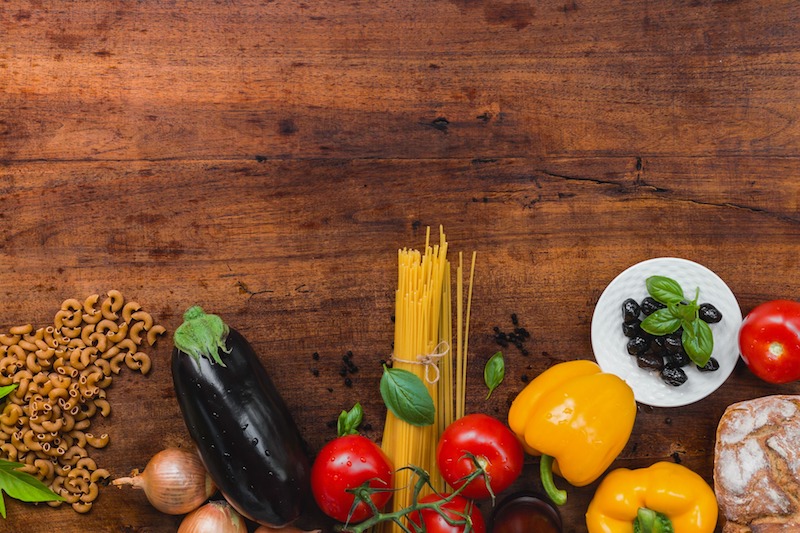
School lunches provide much needed nutritional support for pupils and help them improve their mental and physical health. Schools that are USDA approved have to follow a specialized guideline to provide with the best nutritional support.
To stay within these guidelines and yet create a meal program that students can actually eat is pretty difficult. That is why Nutristudents K-12 has designed school lunch recipes under expert guidance to give the best to students.
USDA Guidelines:
The USDA has provided a list of guidelines as to how to keep the food organic, nutritious and attractive to kids. These guidelines are managed and followed by schools that participate in The National School Lunch Program (NSLP).
Under the guidelines, the school meal should provide an adequate mixture of fruits and vegetables and whole-grain foods each week. There is also a limit on calories, fat and saturated fat and sodium or iodine in school meals.
The schools are hence recommended to hire specialized executive chefs to prepare the recipes individually to meet these standards. The schools must also perform the taste test and nutritional test, to make sure it is adequate and up to standard before serving it to the students.
Here are some tips on how to follow the USDA guidelines for your own school lunch recipes: –
- Include vegetables creatively:
Vegetables do not appeal to kids as much as a bowl of ice cream or a candy treat does; it takes creativity to get them to eat those vegetables. Since the USDA demands an adequate amount of vegetables to be included in the meals, incorporate them creatively.
For example, the use of carrots and sweet bell peppers in chicken dishes can make the meal both visually appealing and nutritionally benefitting for kids.
2. Side dishes are essential:
Side dishes don’t have to be some kind of packed snack. It can be a salad filled with vitamins and minerals packed veggies mixed with some fruits or olive oil and cheese; the colorful mixture can be attractive to children. There is a bunch of Italian Mexican salads, Italian salads that include lots of veggies in them, hence providing better nutritional standards.
3. Use of spice and herbs:
Adding a hint of extra flavor while also providing nutrition is always in. There are plenty of recipes that use different herbs and spices while staying under the guidelines of USDA for sodium or iodine intake. For example, the Albondigas Mexicana (Mexican Meatballs) are seasoned with onion powder, garlic, cilantro, chilli powder and topped with fresh cilantro or basil for the visual look as well as extra nutrition.
4. Importance of visual presentation:
Social Media would have us believe that food should be presented in a particular way and should be visually aesthetic. Students concur. In fact, they rely on visual presentations before even tasting the food. The lack of variety and certain texture of food can easily put them off. It’s important to understand these behaviors and provide food accordingly. Importantly schools should be able to take feedback from students to prepare better meals.
5. Priority to student’s choices:
Mostly to get children to eat healthily, we need to know their favorites and then provide them with healthy options. Some well-known students’ favorites like chicken nuggets or corn dog, can be altered by using them in whole grain tacos and sandwiches.
Wrapping Up:
These were some of the tips for your school to help you with USDA approved better nutritional recipes. However, you can check out for other elaborated school meal recipes that fulfill USDA standards. Our hope is that these suggestions can create healthy recipes which will be beneficial for your school and the children studying there.
Author: Brian Roy
Please be advised that the views, thoughts, and opinions expressed in this blog is solely that of the Author or his/her sources and does not necessarily reflects those of English Forward. This includes, but is not limited to, third-party content contained on or accessible through the English Forward websites and web pages or sites displayed as search results or contained within a directory of links on the English Forward network.
 Clap
Clap
