


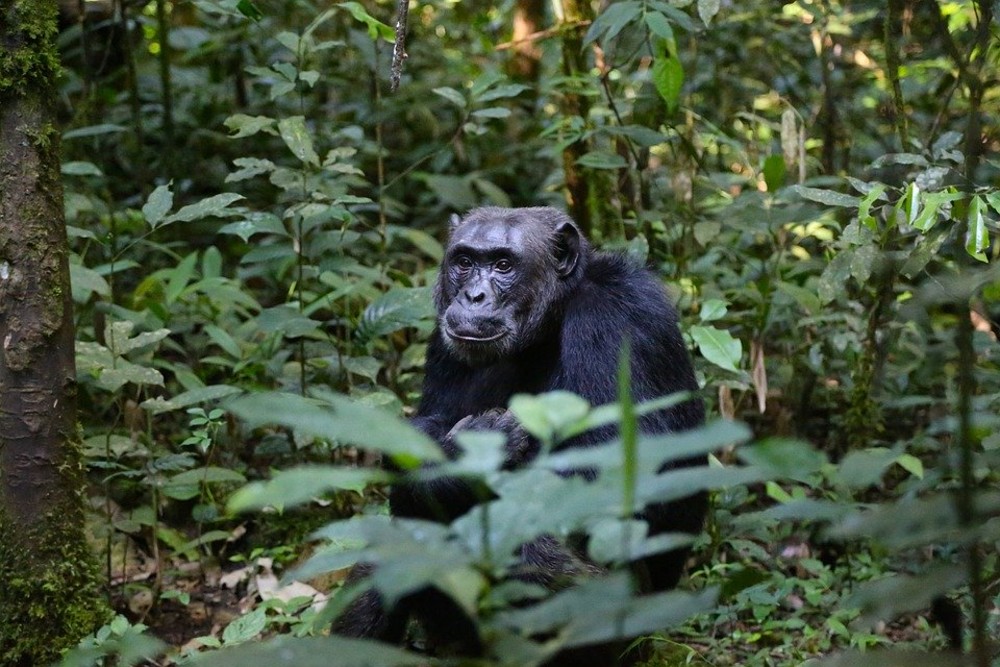
Goualougo chimpanzees are able to share tools and spread knowledge on how to use these tools. This is according to a new study that also found that mothers are at the center of this transfer of knowledge by involving their offsprings.
A new study exploring the behavior of chimpanzees has found out that they are able to share tools and teach complex tasks to their peers. The study was conducted by researchers at Washington University in St. Louis, the University of Miami and Franklin & Marshall College. The study focused on complex tasks such as a multistep gathering of termites using tools by chimpanzees.
Chimpanzees have been observed to live communally and work cohesively. The sharing of tools between chimpanzees is seen as a way of teaching according to earlier research. However, research has also shown that learning these skills is not an easy fete for these chimpanzees.
Chimpanzees ability to teach and share tools
A lot of effort and time goes into learning new skills and passing those skills to young ones among chimpanzees’ families. The study was in partnership with the Wildlife Conservation Society, Lincoln Park Zoo and the Jane Goodall Institute to illuminate these complexities.
Non-human primates are mostly thought to learn new skills through observing their peers doing the tasks and then copying these tasks. However, the study explored how social interactions among the chimpanzees, including mothers teaching their offspring more vital roles they need to play.
The research followed chimpanzee tool use for decades at the Gombe Stream Research Center in Tanzania. It is one of the longest-running chimpanzee behavioral studies and this year marked twenty years since the project was started.
The study, which was published on December 23, 2019, in the Proceedings of the National Academy of Sciences, researchers compared their findings from Gombe Stream with Goualougo chimpanzees or those from Goualougo Triangle, Republic of Congo.
Goualougo chimpanzees transfer their skills to their peers
Termites are an important dietary for the population of chimpanzees. The researchers found that in both populations, chimpanzees used fishing style probing tools to get insects. They also found that the two populations had different complexities when it came to looking for termites.
The study found that chimpanzees from Goualougo Triangle, Republic of Congo used more complex tools than the Gombe stream chimpanzees. They also found that the Goualougo Triangle chimpanzees were three times more likely to transfer their skills to their peers compared to Gombe. Mothers played an important role in this transfer by involving their offspring in fishing the termites from the ground.
The research shows us how complex the transfer of knowledge is. By studying our closest living relatives, we are able to understand how the transfer of knowledge might have spread in the past.
The Goualougo Triangle Ape Project (GTAP) field site is a remote forest camp located in the Nouabale Ndoki National Park, in the north of the Republic of Congo where research on chimpanzee and gorilla ranging, behavior, feeding ecology and health has been carried out since 1999. One community of chimpanzees and one gorilla group are habituated to the presence of researchers.
They are searching for a Camp and Research Manager to oversee and participate in the research activities at the site.
Contact Information:
David Morgan
2001 North Clark Street
Chicago, IL 60614
USA
Telephone Number:
3145624550
Website:
http://congo-apes.org
E-mail Address:
[email protected]
featured image by Pixabay